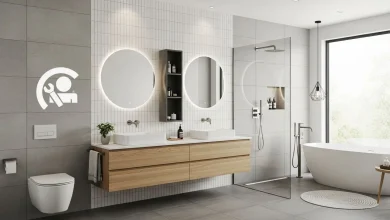
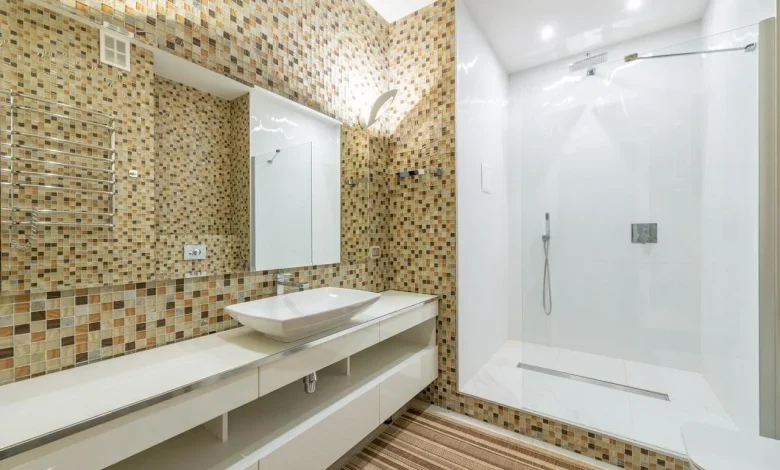
Planning a new bathroom involves far more than deciding on a colour scheme. The tiles, sanitaryware, furniture, lighting and fixtures all need to work together while still meeting the practical needs of the household. Visiting a specialist Bathroom Store can also make it easier to explore different styles and compare the options available before making important decisions.
A well-planned bathroom should feel cohesive without sacrificing comfort or functionality. Whether you are working with a compact en-suite or a larger family bathroom, considering each element as part of the wider design can help you avoid choices that look appealing individually but do not work well together.
Choose Tiles That Set the Tone
Tiles are often one of the first design decisions people make because they have such a strong influence on the overall appearance of a bathroom. They can introduce colour, texture and pattern while helping to define the atmosphere you want to create.
- Consider the size of the room: Larger tiles can create a cleaner, less interrupted appearance, while smaller formats can add visual interest and work particularly well when creating detailed patterns or borders. The choice should complement the proportions of the room rather than simply follow a current trend.
- Think about the overall colour palette: Neutral tiles can provide a versatile foundation, while deeper shades or patterned designs can create a stronger focal point. Consider how the tiles will work alongside the colour of the walls, furniture and sanitaryware before making a final decision.
- Look beyond appearance: A bathroom is exposed to moisture, cleaning and regular use, so the practical qualities of the chosen surfaces matter too. Think about maintenance and suitability for the area where each tile will be installed rather than selecting purely on visual appeal.
Select Fixtures Around Everyday Use
Once the basic visual direction has been established, the fixtures need to be considered carefully. A beautiful bathroom can still feel inconvenient if the fittings do not suit the available space or the routines of the people using it.
- Match fittings to the layout: The position and dimensions of the bath, shower, basin and toilet should work comfortably within the room. Allowing enough space around each fitting can make movement easier and prevent the bathroom from feeling unnecessarily crowded.
- Choose products for your lifestyle: A household that relies heavily on showers may prioritise a spacious enclosure, while others may prefer the comfort of a bath. Consider how the room will actually be used rather than selecting fittings simply because they are currently fashionable.
- Coordinate finishes: Taps, shower fittings, handles and other hardware can influence the overall look of the bathroom. Choosing finishes that complement one another can create a more cohesive appearance without requiring every element to be identical.
Build in Practical Details From the Start
The finishing elements can have just as much impact on the usability of a bathroom as the main fixtures. Storage, lighting and accessories should therefore be considered during the planning process rather than left until the final stage.
- Plan sufficient storage: Toiletries, towels and everyday bathroom essentials need somewhere to go. Vanity units, mirrored cabinets and shelving can help keep surfaces organised while becoming part of the overall design.
- Think carefully about lighting: Good lighting should provide enough illumination for everyday tasks while complementing the atmosphere of the room. Consider the areas that need focused light, particularly around mirrors and basins, alongside the room’s main lighting.
- Leave room for finishing touches: Mirrors, towel rails, accessories and decorative details can help personalise the finished space. Selecting these elements once the main design has been established makes it easier to create a balanced look rather than adding unrelated pieces at the end.
Conclusion
Planning a bathroom successfully comes down to understanding how individual choices work together. Tiles establish much of the visual character, fixtures determine how the room functions and practical details such as storage and lighting help make the space comfortable to use every day.
Taking the time to consider these elements before purchasing or beginning work can make the process more organised and reduce the likelihood of having to compromise later. The result is a bathroom where style and practicality support one another, from the first tile through to the final fixture.