
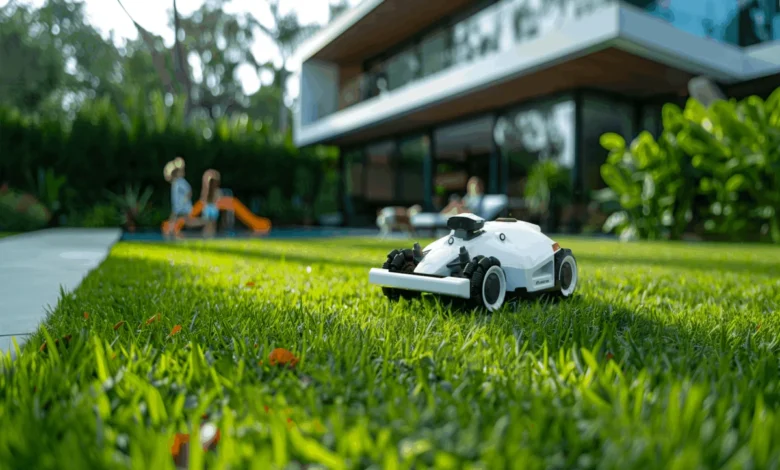
A robot mower can dramatically reduce the amount of time spent maintaining a lawn, but its performance is influenced by much more than the quality of the machine itself. The way a garden is designed has a direct impact on how efficiently a robot mower can navigate, how consistently it cuts the grass and how much intervention is required from the owner. While modern robotic mowers are capable of handling increasingly complex outdoor spaces, thoughtful garden design can help them work more effectively and produce better long-term results.
The overall shape of a lawn is one of the first factors to consider. Large, open lawns generally allow a robot mower to move freely, covering the area with minimal interruption. Gardens containing numerous small sections, awkward corners or irregular shapes can still be maintained successfully, but they often require more advanced navigation or careful setup to ensure every part of the lawn receives adequate coverage. A simple layout allows the mower to spend more time cutting grass and less time changing direction or navigating around obstacles.
The position of flower beds can also affect mowing performance. Raised borders and clearly defined planting areas create obvious boundaries that are easier for robot mowers to recognise and avoid. Narrow planting strips running through the middle of a lawn, however, may increase the number of turns the mower must make and reduce overall efficiency. When planning new landscaping projects, considering how the mower will move around these features can save time and reduce future adjustments.
Trees provide welcome shade and visual interest in many gardens, but they also influence robotic mowing. Mature trees with exposed roots can create uneven surfaces that make navigation more challenging, while low-hanging branches may interfere with the mower’s movement if they extend into its working area. Fallen leaves and twigs during autumn can also affect traction and cutting performance, making seasonal maintenance an important part of keeping both the lawn and the mower in good condition.
Pathways that divide different lawn areas deserve careful planning. Many modern robot mowers are capable of travelling between separate sections of grass, but extremely narrow routes or sharp turns can make navigation more difficult. Ensuring there is adequate space for the mower to pass comfortably between areas helps improve reliability and reduces the likelihood of the machine becoming delayed or repeatedly attempting the same manoeuvre.
Garden edging is another design feature that is often overlooked. Crisp, well-defined lawn edges not only improve the appearance of the garden but also help robot mowers achieve a cleaner finish. Edging that allows the mower to approach right up to the border can reduce the amount of manual trimming required afterwards, making routine lawn maintenance even more convenient.
Retailers such as Garden Machinery Direct frequently highlight the importance of matching the mower to the garden rather than focusing solely on lawn size. Two gardens with identical grass areas may require very different machines depending on their layout, obstacles and overall complexity. Taking these design features into account before choosing a robot mower helps ensure the best possible results.
Slopes are another consideration that can influence performance. While many modern robot mowers are capable of climbing impressive gradients, extremely steep banks may require a model with enhanced traction and higher climbing capability. Where possible, smoothing particularly uneven transitions or avoiding sudden changes in level can improve both safety and mowing consistency.
The placement of permanent garden features also deserves attention. Benches, pergolas, decorative sculptures and water features all contribute to an attractive outdoor space, but positioning them thoughtfully can make navigation easier. Leaving sufficient space around fixed objects allows the mower to travel smoothly while reducing unnecessary stopping, reversing or repeated route calculations.
Garden furniture is another factor that changes throughout the year. Tables, chairs and loungers are often moved regularly, particularly during warmer months. Establishing dedicated areas for outdoor furniture helps reduce unexpected obstacles during scheduled mowing sessions while making it easier for the mower to follow predictable routes.
If children regularly use the garden, planning play areas separately from the main lawn can also improve robotic mowing. Swings, climbing frames and football goals naturally introduce additional obstacles, but keeping these features grouped together rather than spread across the garden creates larger uninterrupted mowing areas. This benefits both the robot mower and the overall appearance of the lawn.
Future landscaping plans should not be ignored either. A garden is rarely finished permanently, and many homeowners add patios, greenhouses, vegetable beds or outdoor offices over time. Choosing a robot mower with flexible navigation options allows it to adapt more easily as the garden evolves, reducing the need for major changes whenever new features are introduced.
Regular maintenance of the garden itself remains important regardless of how advanced the mower may be. Filling holes, removing fallen branches, trimming back overgrown vegetation and maintaining healthy grass all contribute to smoother operation. A robot mower is designed to maintain a lawn rather than overcome neglected garden conditions, so combining automated mowing with routine garden care produces the best overall results.
Ultimately, a robot mower performs most effectively when the garden has been designed with both aesthetics and practicality in mind. Open spaces, clearly defined borders, sensible obstacle placement and thoughtful planning all help create an environment where the mower can work efficiently and consistently. By considering how different landscape features influence navigation and cutting performance, homeowners can enjoy a healthier lawn, reduced maintenance and a robotic mowing system that delivers reliable results year after year.