
Energy efficiency has become an increasingly important consideration for UK homeowners and prospective buyers. With household running costs, environmental awareness and property maintenance influencing purchasing decisions, homes with better energy performance can have a competitive advantage.
For homeowners preparing to sell in Southampton, improving an Energy Performance Certificate (EPC) rating may help make a property more attractive to prospective buyers. Hunters Southampton can provide local property-market guidance, while property market insights in Southampton can help sellers understand buyer preferences and the features influencing demand.
However, improving an EPC rating does not necessarily require an expensive renovation. Several practical upgrades can improve energy efficiency, reduce running costs and potentially strengthen your property’s appeal.
Understanding Energy Performance Certificates (EPCs)
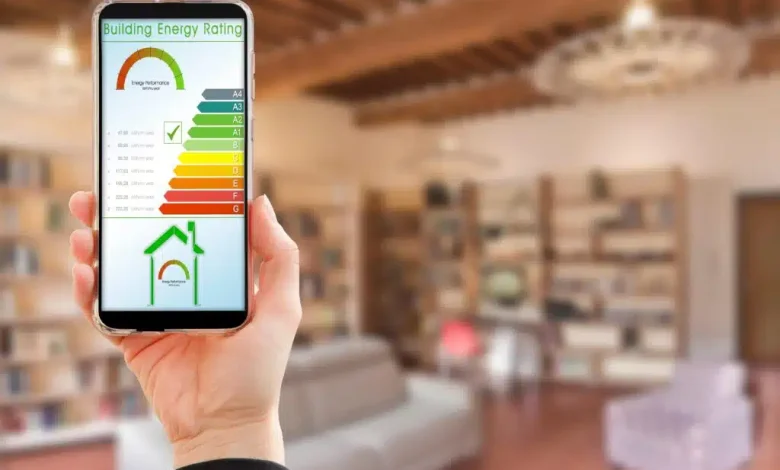
An EPC measures a property’s energy efficiency and environmental impact, assigning a rating from A to G.
- A represents the highest level of energy efficiency.
- G represents the lowest level.
The certificate also provides estimated energy costs and recommendations for improvements.
An EPC is generally required when selling or letting a property in England and Wales, subject to applicable exemptions. It is valid for ten years unless a newer assessment is commissioned.
Understanding your current rating is a useful starting point before investing in improvements.
Improving Loft and Roof Insulation
Heat naturally rises, meaning poorly insulated loft spaces can contribute to significant heat loss.
Improving loft insulation is often one of the more cost-effective ways to enhance energy efficiency. The recommended insulation depth depends on the material used, but around 270mm is commonly recommended for mineral wool insulation.
Proper installation can help maintain indoor temperatures and reduce heating requirements.
Before upgrading, check for existing insulation, adequate ventilation and any signs of roof leaks or condensation.
Upgrading Wall and Floor Insulation
Walls and floors can also contribute to heat loss, particularly in older properties.
Cavity wall insulation involves filling the gap between external and internal wall layers with suitable insulating material. Solid-wall properties may benefit from internal or external insulation systems.
Floor insulation can help reduce heat loss through suspended timber floors, although suitability depends on the building’s construction.
These improvements can require greater investment than loft insulation, so obtain professional advice and compare installation costs with potential energy savings.
Installing Energy-Efficient Windows and Doors
Older windows and poorly sealed doors can allow heat to escape and cold air to enter.
Replacing inefficient single-glazed windows with suitable double or triple glazing may improve thermal performance and indoor comfort.
Look for features such as:
- Low-emissivity glass.
- Insulated frames.
- Effective weather seals.
- Suitable window energy ratings.
However, replacing windows is not always necessary. Repairing damaged seals and improving draught-proofing may provide a more economical solution.
Modernising Heating Systems and Controls
Heating accounts for a substantial proportion of household energy consumption.
An ageing or inefficient boiler may benefit from replacement with a modern, appropriately sized condensing boiler. However, the most suitable system will depend on the property’s heating requirements.
Smart thermostats, programmable heating controls and thermostatic radiator valves can also improve efficiency by allowing homeowners to regulate temperatures more precisely.
A well-maintained heating system can improve comfort while helping to reduce unnecessary energy consumption.
Considering Renewable Energy Solutions
Renewable energy installations can improve a property’s energy performance and appeal to buyers interested in reducing household running costs.
Solar photovoltaic panels generate electricity from sunlight, potentially reducing reliance on electricity supplied through the grid.
Other options include:
- Solar thermal water heating.
- Air-source heat pumps.
- Ground-source heat pumps.
Installation costs, property suitability and available incentives should be assessed carefully.
For example, heat pumps generally work most effectively in well-insulated properties with appropriately designed heating systems.
Improving Lighting and Household Appliances
Lighting is a relatively straightforward area for improvement.
Replacing traditional halogen or incandescent bulbs with LED alternatives can reduce electricity consumption and improve lighting efficiency.
Energy-efficient household appliances can also help reduce everyday running costs.
Although appliance upgrades may not directly influence an EPC rating in every case, they can contribute to a more efficient and appealing home.
Reducing Draughts and Improving Ventilation
Draught-proofing is another practical improvement that can make a noticeable difference.
Seal gaps around doors, windows, floorboards and loft hatches where appropriate. However, maintaining adequate ventilation is equally important.
Poor ventilation can encourage condensation and mould, particularly in kitchens and bathrooms.
Extractor fans, trickle vents and suitable ventilation systems help maintain indoor air quality while supporting a healthier living environment.
How EPC Ratings Influence Property Sale Prices
A better EPC rating can make a property more attractive to buyers by indicating potentially lower energy bills and improved thermal comfort.
Energy efficiency may be particularly appealing to buyers comparing similar properties within the same price range.
However, an improved EPC rating does not guarantee a higher sale price. Location, property condition, available space and local demand remain significant valuation factors.
The strongest approach is to combine energy improvements with an accurate understanding of local market expectations.
Prioritising Improvements Based on Cost and Return
Not every energy-efficiency upgrade offers the same financial return.
Before committing to significant expenditure, consider:
- The property’s current EPC rating.
- The recommendations in the existing certificate.
- Installation and maintenance costs.
- Potential reductions in energy consumption.
- Buyer expectations within your local market.
Loft insulation, LED lighting and draught-proofing may offer relatively affordable starting points.
More substantial projects, such as external wall insulation or renewable heating installations, require careful financial assessment.
Preparing Your Property for an EPC Assessment
Before arranging an EPC assessment, gather information about existing energy-efficiency improvements.
Useful documentation may include:
- Boiler installation and servicing records.
- Insulation installation certificates.
- Window specifications.
- Solar panel documentation.
- Heating system details.
- Relevant guarantees and warranties.
An accredited domestic energy assessor will evaluate the property’s energy-related features and produce the certificate.
Providing accurate information can help ensure the assessment reflects the improvements already completed.
Conclusion: Making Energy Efficiency Work for Your Property Sale
Improving your home’s energy performance can deliver benefits beyond a better EPC rating. Insulation, efficient heating, modern glazing and renewable energy installations can all contribute to lower running costs and greater household comfort.
For sellers, these improvements may also strengthen buyer appeal, particularly when energy efficiency is an important consideration.
The most effective strategy is to prioritise upgrades according to your property’s existing condition, available budget and local buyer expectations.
A combination of practical improvements and careful preparation can help position your home more favourably when it enters the property market.