
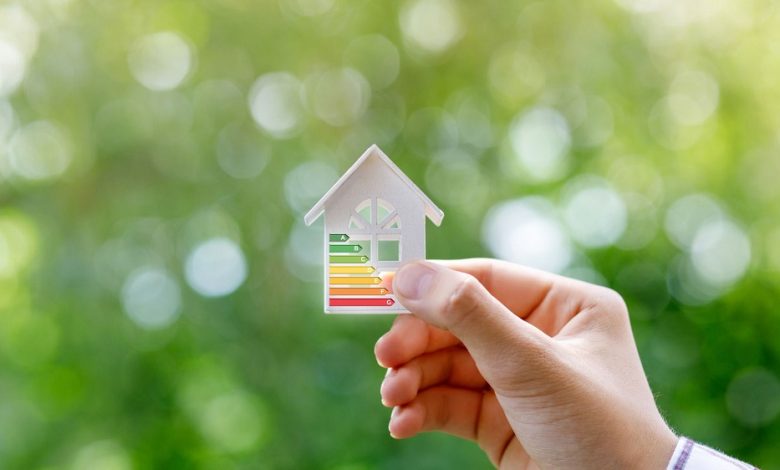
Improving home energy efficiency is one of the smartest ways to lower utility bills, reduce environmental impact, and create a more comfortable living space. Whether you own a house or rent an apartment, small upgrades and mindful habits can lead to noticeable savings over time. This guide breaks down practical, proven ways to make your home more energy-efficient without unnecessary complexity.
Why Home Energy Efficiency Matters
An energy-efficient home uses less power to deliver the same level of comfort. That means fewer wasted resources, lower monthly expenses, and reduced strain on energy grids.
Key benefits include:
-
Lower electricity and heating bills
-
Improved indoor comfort year-round
-
Reduced carbon footprint
-
Higher property value over time
Seal Air Leaks and Improve Insulation
One of the biggest sources of energy loss is uncontrolled airflow.
Focus on These Areas
-
Doors and window frames
-
Attics and crawl spaces
-
Electrical outlets and wall penetrations
-
Basement walls and ceilings
Weatherstripping and caulking are affordable fixes that prevent warm or cool air from escaping. Proper insulation helps maintain indoor temperatures, reducing the need for constant heating or cooling.
Upgrade to Energy-Efficient Windows
Old or single-pane windows allow heat to pass through easily.
Benefits of energy-efficient windows include:
-
Better temperature regulation
-
Reduced condensation
-
Lower heating and cooling demand
-
Improved noise reduction
If full replacement isn’t an option, thermal curtains or window films can still provide measurable improvements.
Use Smart Thermostats Wisely
Heating and cooling account for a large portion of home energy use. A smart thermostat learns your habits and adjusts temperatures automatically.
Smart Thermostat Advantages
-
Reduces energy use when you’re away
-
Optimizes heating and cooling schedules
-
Allows remote control via smartphone
-
Provides insights into energy consumption patterns
Even lowering your thermostat by 1–2 degrees during winter or raising it slightly in summer can lead to meaningful savings.
Switch to LED Lighting
Lighting is one of the easiest upgrades with immediate results.
Why LEDs are better:
-
Use up to 80% less energy
-
Last significantly longer than incandescent bulbs
-
Emit less heat
-
Available in various color temperatures
Replacing frequently used bulbs first maximizes savings quickly.
Choose Energy-Efficient Appliances
Older appliances often consume more power than necessary.
When upgrading, look for:
-
High efficiency ratings
-
Inverter-based technology
-
Eco or low-power modes
Common appliances to prioritize include refrigerators, washing machines, dryers, and air conditioners.
Optimize Daily Energy Habits
Technology helps, but behavior matters just as much.
Simple Habits That Save Energy
-
Turn off lights when not in use
-
Unplug devices on standby mode
-
Wash clothes in cold water
-
Air-dry laundry when possible
-
Use natural daylight during daytime hours
These habits compound over time, leading to consistent reductions in energy use.
Consider Renewable Energy Options
If feasible, renewable energy can dramatically boost efficiency.
Popular options include:
-
Solar panels for electricity generation
-
Solar water heaters
-
Small-scale battery storage systems
While upfront costs exist, long-term savings and energy independence make renewables increasingly attractive.
Maintain Heating and Cooling Systems
Even efficient systems lose performance without maintenance.
Best practices:
-
Replace air filters regularly
-
Schedule annual HVAC inspections
-
Clean vents and ducts
-
Ensure outdoor units remain unobstructed
Well-maintained systems run more efficiently and last longer.
Final Thoughts
Increasing home energy efficiency doesn’t require a complete renovation. By combining small upgrades, smart technology, and conscious habits, you can significantly reduce energy waste while improving comfort and saving money. Start with the changes that fit your budget and lifestyle, then build from there.
Frequently Asked Questions (FAQ)
1. What is the fastest way to improve home energy efficiency?
Sealing air leaks and switching to LED lighting provide the quickest and most cost-effective results.
2. Does insulation really make a big difference?
Yes, proper insulation can reduce heating and cooling costs by preventing heat loss and gain throughout the year.
3. Are smart thermostats worth the investment?
For most households, smart thermostats pay for themselves through energy savings and better temperature control.
4. How much energy do appliances on standby mode use?
Standby power can account for up to 10% of household electricity use, making unplugging worthwhile.
5. Can renters improve energy efficiency without major changes?
Yes, renters can use LED bulbs, smart plugs, draft stoppers, and energy-efficient habits without altering the property.
6. Is renewable energy only suitable for large homes?
No, even small homes can benefit from renewable options like compact solar setups or solar water heaters.
7. How often should HVAC systems be serviced?
Most systems should be inspected and serviced at least once a year for optimal efficiency and safety.