
Home remodeling can improve comfort, functionality, energy efficiency, and the overall appeal of your property. Whether you are renovating a home you plan to enjoy for many years or making improvements before selling, a successful remodel requires much more than choosing attractive finishes.
Modern homeowners are increasingly focused on practical improvements that reduce maintenance, improve indoor comfort, make better use of available space, and support lower energy consumption. At the same time, renovation costs can quickly increase when projects are poorly planned or unexpected structural, electrical, plumbing, or moisture problems appear.
The best approach is to create a realistic plan, prioritize improvements that offer lasting value, and make design decisions that work together throughout the home.
Start With a Clear Remodeling Plan
Arranging is the way to a fruitful redesign that is finished on schedule and on budget. In a perfect world, you need to set your assumptions ahead of time so you can stay away from any issues as the remodel advances. You not only need to think about your own style and vision, but also fundamental components that will affect your redesign. For instance, consistently consider lighting before you make changes to windows, and take cautious estimates of rooms, so you realize your redesigns can be balanced and facilitate style components for specific rooms all through your whole remodel. Adding natural light is a simple way to make any room feel larger and more welcoming. Many homeowners choose to install skylights or roof lanterns during a renovation to bring in more daylight. If you plan to add these fixtures, it is best to work with an experienced fabricant de puits de lumière. A professional manufacturer can design custom solutions that fit your home perfectly and meet high standards of safety and insulation. This helps make your new installations durable and keeps your energy bills low.
Before construction begins, decide which parts of the house genuinely need improvement and which upgrades are mainly cosmetic. Structural repairs, roof or moisture problems, outdated electrical systems, plumbing issues, insulation deficiencies, and ventilation concerns should generally be addressed before decorative improvements.
It is also sensible to build some flexibility into your renovation budget. Opening walls, replacing flooring, or moving plumbing can expose problems that were impossible to see during the initial inspection. Keeping contingency funds available reduces the chance that an unexpected repair will stop the entire project.
Remodel for the Way You Actually Live
A beautiful home is not necessarily a functional home. Good remodeling decisions should reflect how the household uses the property every day.
Think about storage requirements, traffic flow, work-from-home needs, children, pets, entertaining, accessibility, and future changes to the household. An open-plan layout may work well for one family, while another may prefer separate rooms for privacy, noise control, or remote working.
Flexible spaces are particularly useful. A room that currently functions as an office might later become a guest room, hobby area, nursery, or study space. Built-in storage, adaptable lighting, sufficient electrical outlets, and neutral permanent finishes can make rooms easier to repurpose.
Whenever possible, consider long-term accessibility as well. Wider pathways, step-free transitions, good lighting, easy-to-operate hardware, and practical bathroom layouts can improve convenience for people of different ages and mobility levels without making a home feel institutional.
Prioritize Energy Efficiency and Comfort
Energy performance is now an important part of many remodeling projects. Rather than focusing only on visible improvements, look at how the entire home performs.
Air leaks, inadequate insulation, inefficient heating and cooling, poorly sealed doors and windows, and uncontrolled heat gain can make rooms uncomfortable while increasing energy consumption.
Depending on the condition of the property, useful upgrades may include improved insulation, air sealing, energy-efficient glazing, modern heating or cooling equipment, smart controls, LED lighting, and properly designed shading.
Natural daylight should also be considered during the planning stage. Windows, skylights, roof lanterns, and internal layouts can help distribute daylight more effectively and reduce dependence on artificial lighting during the day.
Energy improvements should never come at the expense of ventilation. A more tightly sealed property may require better mechanical ventilation to maintain healthy indoor conditions.
Protect Indoor Air Quality
Remodeling creates dust and may introduce adhesives, paints, flooring, cabinetry, insulation, sealants, and other materials into the home. Choosing appropriate products and controlling construction dust can make the finished space healthier and more comfortable.
Look for low-emission paints, coatings, adhesives, and finishes where practical. Contractors should also isolate work areas and manage dust when demolition, sanding, cutting, or similar activities are taking place.
Ventilation is especially important in kitchens, bathrooms, laundry areas, and other moisture-producing spaces.
Moisture problems should be repaired rather than covered with new finishes. A freshly painted wall will not solve a leaking pipe, roof problem, poor drainage, or persistent condensation. Left untreated, excess moisture can damage finishes and building materials and encourage mold growth.
Improve Curb Appeal Without Overspending
The outside of a home creates the first impression for visitors and prospective buyers. Fortunately, improving curb appeal does not always require an expensive exterior renovation.
Start with maintenance. Remove debris, trim overgrown plants, repair damaged pathways, clean exterior surfaces, and replace visibly deteriorated fixtures.
Landscaping can also provide an immediate improvement. Healthy plants, simple garden borders, well-maintained lawns, planters, and clearly defined paths can make a property look more cared for.
Exterior lighting is another practical upgrade. Well-positioned lighting can improve visibility around entrances and pathways while enhancing the home’s appearance after dark.
When selecting plants and landscaping materials, consider maintenance requirements and local growing conditions rather than choosing purely for appearance.
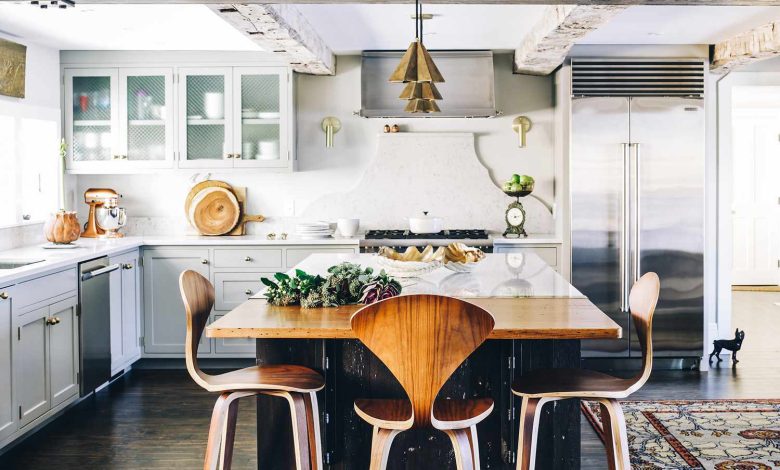
Focus Carefully on the Kitchen
The kitchen remains one of the most important spaces in many homes because it combines cooking, storage, cleaning, dining, and increasingly social activities.
A successful kitchen remodel starts with workflow rather than finishes.
Consider the relationship between the refrigerator, sink, preparation area, cooking appliances, pantry, and waste storage. Frequently used items should be easy to reach, while adequate counter space should be available where food preparation normally occurs.
Storage is another priority. Deep drawers, pantry cabinets, pull-out storage, organizers, and full-height cabinetry can often make a kitchen more functional without increasing its physical size.
A complete kitchen replacement is not always necessary. If the existing layout and cabinetry are structurally sound, replacing hardware, lighting, worktops, cabinet fronts, paint, or a backsplash may dramatically refresh the space.
Appliances should be selected according to actual household needs. Oversized or highly specialized appliances can consume valuable space without providing meaningful benefits.
Make Bathrooms Practical and Durable
Bathrooms are exposed to water, humidity, frequent cleaning, and daily wear, which means durability is particularly important.
Proper waterproofing, ventilation, drainage, and plumbing should take priority over decorative finishes. Problems behind walls or beneath floors can be much more expensive to repair after new tiles and fixtures have been installed.
Storage should also be planned carefully. Vanity drawers, recessed niches, mirrored cabinets, and wall-mounted storage can improve functionality without making a smaller bathroom feel crowded.
For longer-term usability, consider practical features such as easy-entry showers, slip-resistant flooring, good task lighting, handheld shower fittings, and strategically positioned reinforcement that could accommodate grab bars if ever required.
Refresh Bedrooms and Living Spaces Strategically
Not every room needs a major renovation.
Bedrooms, living rooms, home offices, and family spaces can often be transformed through relatively simple improvements. Fresh paint, updated lighting, repaired flooring, improved window treatments, and better storage may provide much of the impact of a larger project at a fraction of the cost.
Lighting deserves particular attention. Rather than relying on one central ceiling fixture, combine ambient, task, and accent lighting where appropriate.
Electrical planning has also become increasingly important. Consider where televisions, computers, charging devices, lamps, smart-home equipment, and other electronics will actually be used before walls are closed and finishes installed.
Choose Materials for Longevity
A remodeling project should not be judged only by how it looks immediately after completion.
Select flooring, cabinetry, worktops, hardware, fixtures, and exterior materials according to the amount of wear they will receive. A material that costs slightly more initially may offer better value if it lasts longer or requires less maintenance.
Sustainability can also be considered through durability, responsible sourcing, water efficiency, reduced waste, and the reuse of existing materials when practical.
Instead of automatically replacing everything, determine whether cabinetry, timber flooring, doors, hardware, or other components can be refinished or reused.
Renovating Before Selling
If the main purpose of remodeling is to prepare a property for sale, personal preferences should play a smaller role.
Highly customized finishes can appeal strongly to one homeowner while discouraging another. Neutral, durable, broadly appealing improvements are generally easier for potential buyers to imagine living with.
Before investing heavily in a major renovation purely for resale, compare the likely improvement in marketability with the total cost of the work. Expensive upgrades do not automatically return their full cost.
Repairs, cleanliness, good lighting, fresh finishes, working fixtures, functional kitchens and bathrooms, and attractive curb appeal can sometimes make a larger difference than elaborate luxury additions.
Final Thoughts
Successful home remodeling is about balancing appearance, function, comfort, durability, and cost. The most valuable improvements are usually those that solve real problems while making the home easier and more enjoyable to use.
Plan carefully before demolition begins, deal with structural and moisture concerns first, and consider energy performance, ventilation, natural light, accessibility, and long-term maintenance alongside aesthetics.
You do not need to renovate an entire property at once. A well-planned sequence of smaller improvements can be just as effective and may make budgeting much easier.
Ultimately, the right remodeling strategy is one that fits the property, the household, and the reason for undertaking the renovation in the first place.