
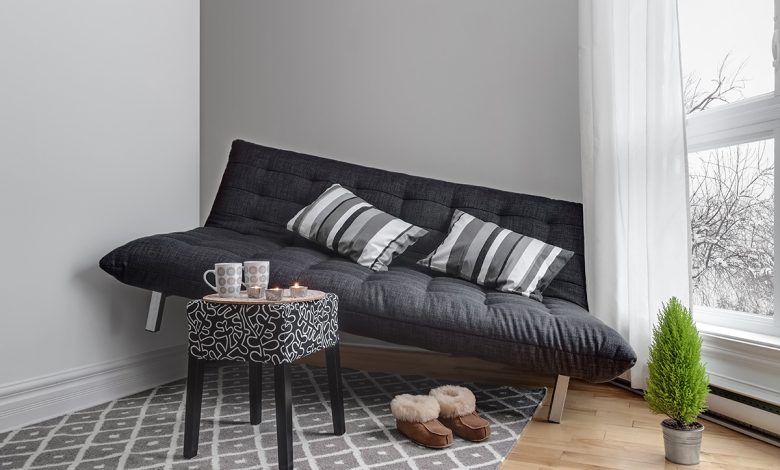
Interior design is more than choosing attractive furniture or trendy colors. It’s about creating a space that feels balanced, functional, and comfortable over time. Many homes look “almost right” but never quite come together because of a few common, avoidable mistakes. Understanding these pitfalls can save you money, effort, and long-term frustration.
Ignoring Proper Space Planning
One of the most frequent design errors is failing to plan how a space will actually be used. A room may look good in photos but feel awkward in daily life.
Common issues include:
-
Furniture blocking natural walkways
-
Rooms that feel cramped despite being large
-
Unbalanced layouts with too much empty or overcrowded space
Good space planning ensures smooth movement and helps each area serve a clear purpose.
Choosing the Wrong Furniture Scale
Furniture that doesn’t match the size of the room can instantly throw off the entire design.
Typical mistakes:
-
Oversized sofas in small living rooms
-
Tiny rugs floating in large spaces
-
Bulky furniture overwhelming low ceilings
A good rule of thumb is to measure carefully and visualize how pieces relate to one another before buying.
Poor Lighting Decisions
Lighting is often treated as an afterthought, but it dramatically affects mood, comfort, and functionality.
Design errors to avoid:
-
Relying solely on overhead lighting
-
Using lighting that’s too harsh or too dim
-
Ignoring task lighting in work areas
Layered lighting—ambient, task, and accent—creates depth and makes rooms feel more inviting.
Hanging Artwork Incorrectly
Artwork placement can elevate a room or quietly ruin its proportions.
Common artwork mistakes:
-
Hanging pieces too high on the wall
-
Using art that’s too small for the space
-
Ignoring alignment with furniture below
Art should feel visually connected to the room, not floating or disconnected.
Following Trends Too Blindly
Trends come and go, but interiors should last for years.
Why this becomes a problem:
-
Trend-heavy rooms age quickly
-
Overuse of bold colors or patterns feels overwhelming
-
Trendy pieces often lack long-term comfort
Incorporating trends through accessories is safer than committing to them in permanent elements.
Overlooking Storage Needs
A beautifully designed home can quickly feel chaotic without adequate storage.
Signs of poor storage planning:
-
Visible clutter on every surface
-
Overstuffed closets
-
No designated place for everyday items
Smart storage solutions keep spaces calm, functional, and visually appealing.
Neglecting Color Balance
Color choices influence how a room feels, yet many designs miss the mark.
Frequent color mistakes:
-
Using too many bold colors in one space
-
Ignoring undertones between walls, floors, and furniture
-
Playing it too safe with bland, flat palettes
Balanced color schemes combine neutrals with intentional accents to create harmony.
Pushing All Furniture Against the Walls
This is a surprisingly common mistake, especially in living rooms.
Why it doesn’t work:
-
Rooms feel less intimate
-
Furniture arrangements lack focus
-
The space feels unfinished
Floating furniture or creating defined conversation areas can dramatically improve layout and flow.
Skipping Personal Touches
A technically perfect room can still feel lifeless without personality.
What’s often missing:
-
Meaningful artwork or photographs
-
Personal collections or heirlooms
-
Unique textures and materials
Personal elements turn a house into a home and make interiors feel authentic.
Forgetting About Functionality
Design should always support how you live.
Functional mistakes include:
-
Choosing style over comfort
-
Ignoring daily routines
-
Designing spaces that look good but don’t work
The most successful interiors balance aesthetics with real-world usability.
Frequently Asked Questions
What is the most common interior design mistake homeowners make?
Ignoring space planning is the most common issue, as it affects comfort, movement, and overall flow.
How do I know if my furniture is the wrong size?
If a room feels cramped, unbalanced, or difficult to move through, the furniture scale may be off.
Is it bad to follow interior design trends?
Not at all—just avoid committing to trends in permanent or expensive elements.
How important is lighting in interior design?
Lighting is essential; it affects mood, visibility, and how colors and textures appear.
Can small spaces still look stylish?
Yes, with proper scale, smart storage, and thoughtful layout, small spaces can feel both stylish and functional.
How can I make my home feel more personal?
Incorporate meaningful décor, personal collections, and items that reflect your lifestyle and experiences.
Should functionality come before aesthetics?
Ideally, both should work together, but functionality should never be sacrificed for looks alone.


