
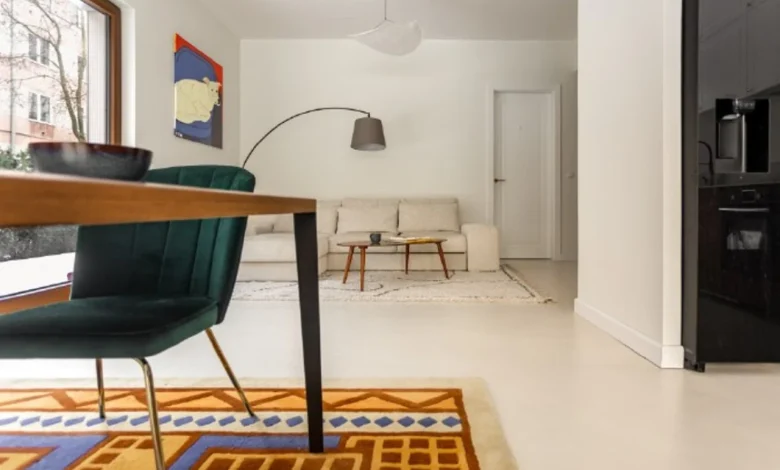
“Design is intelligence made visible.” Ready to turn tired rooms into seamless showpieces? This guide demystifies microcement – an ultra‑versatile, joint‑free finish that slips over tiles, plaster, concrete and more – to help you plan with confidence, price accurately, and nail the look from colour to sheen.
Read about: https://festfloor.com/pages/microcement-floor
Set the Brief: Audit Your Space for a Seamless Microcement Upgrade
You want results, not fluff. So start by defining razor-sharp outcomes: a waterproof microcement shower that shrugs off limescale, an easy-clean microcement kitchen with zero grout lines, or a statement microcement staircase that looks custom-built. Map every surface like a pro: list the substrate (tile, plaster, concrete, MDF), total area in m², and current condition (cracks, hollows, flaking paint). Do a quick moisture test with taped plastic overnight—condensation means remediation before coating. Tap tiles and mark hollow-sounding spots; they’ll need fixing or removal. Log constraints that drive finish quality: lighting temperature (warm vs cool affects tone), underfloor heating (movement and thermal cycling), thresholds and expansion joints, plus ventilation for curing. Then lock it down with a one-page brief: budget band, deadline, colour family (warm grey, clay, charcoal), sheen level (matt or satin), and honest risk tolerance (DIY vs professional applicator). This isn’t admin—it’s your guardrail against chaos.
Now make it actionable. Build a lean checklist with photos and measurements to steer every decision. Example flow: 1) Space goal: “Satin microcement bathroom, warm grey, seamless shower tray and walls.” 2) Surfaces: “12 m² tiles, 6 m² plaster; two hairline cracks; three hollow tiles.” 3) Constraints: “UFH at 28°C max, cool LEDs (4000K), two thresholds.” 4) Prep plan: “Degrease, prime for tiles, fibre-reinforced base, mesh on cracks.” 5) Spec: “Two-coat microcement system, waterproof sealer, anti-slip rating for wet zone.” 6) Programme: “48 hours for layers, 7 days cure before heavy use.” Keep it blunt, visual, and specific. The outcome? A cleaner install, tighter costing, fewer surprises, and a finish that looks intentionally crafted—not improvised.
Budget Smart: Realistic Microcement Costs, Quotes, and Savings
UK microcement costs aren’t a guessing game—get your numbers straight and keep your project on track. For a clean breakdown: materials only come in around £20–£40/m² (primer, base, finish, sealer), while a pro supply-and-fit install sits at roughly £90–£180/m² for straightforward areas and £180–£220+/m² when you add complex detailing like coved skirtings, integrated upstands or niches. Budget £10–£40/m² for substrate prep such as levelling, crack-bridging and waterproofing. Key cost drivers to keep in mind (once, not on repeat): the surface condition, total area size, detailing complexity, custom colours, and site access. Want a quick reality check? Use this mini calculator: Area × rate + prep + sealers + 5–10% wastage + 10–15% contingency. Example for a 12 m² bathroom (walls and floor, mid‑range): 12 m² × £150/m² = £1,800; prep £240 (12 × £20); sealers £120; wastage £120 (≈7%); contingency £225 (≈12.5%). Ballpark total: ~£2,505 including sensible buffers—no nasty surprises.
Before signing anything, compare quotes like‑for‑like so you’re not paying champagne prices for lemonade work. Look for: m² covered; number of coats and full system brand; sealer type (PU vs polyaspartic); lead time and programme; warranty length; and a clear snag policy. Smart savings that don’t wreck the finish:
- Batch rooms so the installer mobilises once and spreads costs.
- Choose standard colours to dodge custom-mix premiums and delays.
- Keep edges simple—limit upstands, coves and fiddly returns.
- Repair substrates before the crew arrives; flat, sound bases install faster.
- Lock your spec early; ditch the last‑minute changes that inflate labour.
Keep it lean, keep it honest, and let the microcement finish do the talking—crisp prep, right system, fair rate, tight scope.
Design the Finish: Colour, Texture, and Detailing Choices that Elevate Microcement
Colour drives mood and polish, so pick tones by the light you actually live with: warm LEDs flatter clay and greige, while cool daylight sharpens cool greys and charcoals. Always hold microcement samples in the room morning and evening; you’ll spot undertones that don’t show in a showroom. Match sheen to function: matt for walls (soft, forgiving, hides touch-ups), satin for floors (better cleanability and that subtle glow). Push the craft: shadow gaps to float walls, 100 mm upstands for splash-proof kitchens, recessed channels to frame glass, and crisp terminations against timber or tile with profiles. Skip grout lines and build interest with trowel direction changes, soft veining, discreet stencils for zoning, or a brass inlay threshold at doors. If it’s a wet area, add an anti-slip sealer to keep the look sleek without drama.
Ready-to-copy palettes that just work. Coastal Limewash: pale warm grey base with chalky white veining, finished in a satin sealer; pair with oak and brushed nickel for relaxed texture that still feels tailored. Urban Charcoal: deep cool grey body, faint trowel marks, matt sealer; pair with black fixtures and smoked glass for a moody, gallery-grade vibe. Quick selector: Finish — matt (best for walls, soft/velvety, easy touch-ups), satin (best for floors, crisp yet forgiving, strong cleanability), anti-slip add-on (best for showers and entries, safety-first, check slip rating). Conclusion: treat colour, sheen, and detailing like a trio—dial each with intention, test under real light, and let the microcement finish become the quiet powerhouse that lifts the entire scheme.
Check out Festfloor products:
https://festfloor.com/collections/microcement-for-walls
Room-by-Room Ideas: High-Impact Ways to Use Microcement in Your Home
Microcement kitchen upgrades hit hard without the bulk. Go for a seamless splashback with a 100 mm upstand to match the worktop—no grout, fewer grease traps, faster wipe-downs, cleaner lines. Wrap the kitchen island in microcement with a gentle radius corner for a durable statement that doesn’t need heavy stone. In the pantry, a satin-finish microcement floor is a crumb-proof dream—no joints, no drama. In bathrooms, think full wet-room: floor-to-wall wrap with an integrated niche and a waterproof system correctly specified. A vanity top with a formed upstand creates one continuous plane that visually enlarges compact WCs, while a shower tray fall formed under the finish delivers that true zero-threshold look. For living areas, try a matt microcement fireplace surround for soft shadow play, a feature wall behind the TV with concealed cables in a recessed channel, and a subtle floor border “frame” by changing trowel direction to zone the space. Stairs and halls shine with treads and risers in microcement plus an anti-slip additive for a monolithic, compact look; pair with a curved handrail wall featuring soft veining and a scuff-resistant sealer. Outdoors (covered only), lay a microcement patio over an existing slab, honour every expansion joint, and finish with a satin exterior-rated sealer for longevity. Experts’ advice: always specify substrate prep, movement joints, and moisture control up front—these three decide whether your finish stays flawless or starts complaining.
Mini before/after data point that says it all: WC 2 m x 2 m, walls + floor + vanity surround, 18 m² total; grout lines 42 → 0; clean time down ~30%. That’s the power of continuous microcement surfaces—less fuss, more impact, and a finish that feels custom-built rather than pieced together.
Installation Roadmap: Step-by-Step to a Flawless Microcement Finish
Prep is where projects are won or lost. Fix cracks, de-grease, abrade glossy paint, bin loose tiles, then vacuum like you mean it—surface must be clean, dry, and sound. Roll on the correct system primer for your substrate and respect the drying time; shortcuts show up later as blisters. Lay a thin, even base coat with a steel trowel and add mesh where you expect movement, letting it dry per spec. Build your body coats (one to two), switching trowel directions to avoid patterning, keep edges razor-clean, and sand lightly between passes. Now refine: fill pinholes, final sand to a uniform texture, and clean dust-free. Seal with 1–2 coats chosen for the zone—food-safe sealer for worktops, anti-slip for wet floors—then cure: protect from water and heavy use, allow light foot traffic at ~24 h, full cure in ~7 days. Maintain the right site conditions: 15–25°C, RH <70%, no direct drafts; plan dehumidification if the air is heavy. Keep the kit tight and pro: drill mixer, steel trowel, hawk, sanding system (80–240 grit), vacuum, masking kit, and PPE. Quality-check every stage—straightedge for flatness, adhesion at edges, zero pinholes under raking light, and an even sealer sheen. Experts’ Advice: treat each coat like a finished surface; clean tools, consistent pressure, and patient drying deliver that flawless microcement finish.
When things misbehave, fix them fast and clean. Silvering from over‑trowelling? Feather sand, refine, and reset your pressure. Sealer streaks? Recoat thin using a microfibre roller and maintain a wet edge. Dark patches? Extend the cure, improve ventilation, and never force-dry. If adhesion feels suspect, stop: scuff-sand, re-prime locally, and blend a fresh pass. Keep the environment stable, protect transitions, and mask like a maniac—nothing screams amateur like wavy edges. Experts’ Advice: log temperatures, humidity, and times; a simple site diary prevents 90% of headaches and keeps your installation on spec and on schedule.
Care and Upkeep: Keep Microcement Floors and Walls Pristine for Years
Microcement maintenance isn’t glamorous, but it’s the difference between a showpiece and a shabby surface. Keep it simple and consistent: use a pH‑neutral cleaner, avoid harsh stuff that nukes the sealer, and give high‑traffic zones a bit more love. Below is a quick, no‑nonsense rhythm that keeps microcement floors and walls looking sharp without babying them.
| Frequency | What to Do | Why It Matters |
| Daily | Dry dust with microfibre | Removes grit that can scratch the topcoat |
| Weekly | Damp mop/cloth with pH‑neutral cleaner | Cleans sweat, oils, and marks without damaging the sealer |
| Quarterly | Deep clean and inspect high‑wear zones | Spot small issues before they become sealer failures |
| As needed | Spot repair light scratches early | Prevents marks tracking through to the microcement body |
Be decisive with dos and don’ts: use pH‑neutral cleaners; avoid bleach, acidic products, and steam mops. Add felt pads under furniture legs, and place mats at entries to stop grit at the door. The reseal timeline isn’t guesswork—low traffic: 24–36 months; high traffic: 12–18 months. Use the water‑bead test: if water darkens the surface quickly instead of beading, it’s time to reseal. For minor repairs, clean, lightly abrade, colour‑match microcement, fill, let it dry, then spot seal and blend the edges so the repair vanishes into the texture. Keep records like a pro: product batch codes, colour mix, number of coats, and seal dates—that makes future touch‑ups painless and protects the warranty.