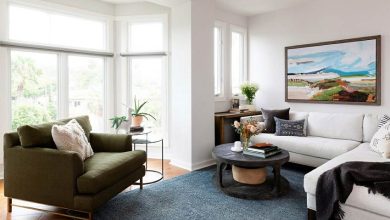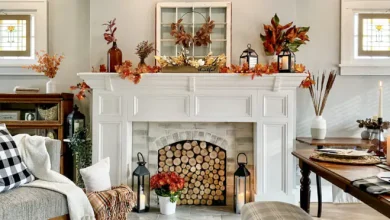
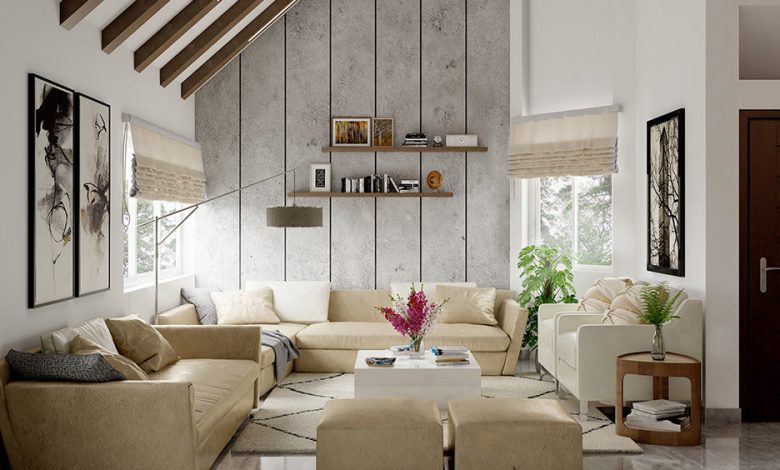
Creating a stylish and comfortable home is not only about choosing beautiful furniture but also about mastering the art of décor. A well-decorated home reflects personality, boosts mood, and increases functionality. With the right approach, even small adjustments can create a remarkable transformation. In this guide, we’ll explore practical and inspiring decor tips that you can apply to elevate your living space.
Understanding the Foundation of Home Décor
Before diving into accessories and styling, it’s essential to understand the foundation. Décor begins with structure, flow, and purpose. Ask yourself:
-
How do I want this space to feel?
-
What activities will take place here?
-
Which colours and textures resonate with me?
Answering these questions helps you create a framework for decorating each room.
Choosing a Colour Palette
The choice of colours is central to décor. Colours influence emotions and set the tone for a space.
-
Neutral tones like beige, cream, and grey provide versatility and timelessness.
-
Warm shades such as terracotta, mustard, and deep reds create cosiness.
-
Cool hues like blues and greens evoke calmness and balance.
-
Accent colours can be introduced with cushions, rugs, or art to add vibrancy without overwhelming the space.
A good rule is to use the 60-30-10 principle: 60% dominant colour, 30% secondary colour, and 10% accent.
Lighting as a Key Element
Lighting can make or break a room’s atmosphere. To create layers of illumination:
-
Ambient lighting: Ceiling lights or chandeliers that provide overall brightness.
-
Task lighting: Desk lamps, under-cabinet lighting, or reading lamps for focused activities.
-
Accent lighting: Spotlights, wall sconces, or LED strips to highlight artwork or architectural features.
Consider dimmers to adjust the mood from vibrant to relaxed.
The Importance of Furniture Placement
The arrangement of furniture affects both comfort and aesthetics.
-
Place large pieces, like sofas or beds, first to establish balance.
-
Leave enough walking space to avoid a cramped feeling.
-
Use area rugs to define zones in open-plan layouts.
-
Create conversation clusters by arranging chairs and sofas to face one another.
Remember, less is often more. Overcrowding with furniture makes a room appear smaller.
Accessorising with Textiles
Textiles are powerful décor elements that add depth and warmth.
-
Cushions, throws, and rugs bring colour and texture.
-
Curtains and blinds influence light control and style.
-
Layering fabrics such as linen, velvet, or cotton provides richness.
Seasonal textile changes, like lighter fabrics in summer and heavier textures in winter, keep interiors refreshing.
Incorporating Natural Elements
Bringing the outdoors inside has gained popularity for its calming effect.
-
Houseplants add freshness, improve air quality, and introduce greenery.
-
Wooden furniture or accents bring warmth and organic charm.
-
Stone, clay, and woven materials enhance authenticity.
Even a small vase of fresh flowers can transform the energy of a room.
Wall Décor and Art
Bare walls can make a room feel unfinished. Enhance them with:
-
Artwork or prints: Choose pieces that reflect your taste and style.
-
Mirrors: They expand visual space and reflect light.
-
Wall shelves: Functional and decorative, ideal for displaying books or ornaments.
-
Accent walls: Use wallpaper, textured paint, or wood panelling for added dimension.
Balancing Style and Function
Great décor is not just about beauty but also about practicality.
-
Opt for multifunctional furniture like ottomans with storage or extendable dining tables.
-
Keep clutter minimal with well-designed storage solutions.
-
Maintain a balance between open space and decorative accents.
This ensures your home is both visually pleasing and liveable.
Personal Touches in Décor
Adding personal touches makes a house feel like home.
-
Family photos or travel souvenirs can be displayed tastefully.
-
Handmade crafts or heirloom pieces add authenticity.
-
Books, candles, and unique finds showcase personality.
The aim is to create a space that feels warm and uniquely yours.
Seasonal Décor Transitions
Changing décor with the seasons keeps interiors engaging.
-
Spring/Summer: Bright colours, floral patterns, and lightweight fabrics.
-
Autumn/Winter: Warm tones, heavier fabrics, candles, and cosy layers.
Rotating small décor items is an easy way to refresh without a complete makeover.
Practical Décor Tips for Small Spaces
Decorating small homes requires creativity:
-
Use mirrors to create an illusion of space.
-
Choose furniture with legs to keep the floor visible and create openness.
-
Opt for vertical storage like tall bookshelves.
-
Stick to light colours for walls and ceilings.
A minimalist approach often works best in compact spaces.
Enhancing Outdoor Living Areas
Décor should extend beyond interiors.
-
Add comfortable seating like outdoor sofas or loungers.
-
Use weather-resistant rugs and cushions for style.
-
Incorporate lanterns, fairy lights, or fire pits for ambience.
-
Potted plants and vertical gardens create a green escape.
A well-styled balcony, patio, or garden expands your living space.
FAQs on Décor Tips
How can I decorate my home on a budget?
Start with simple changes like rearranging furniture, adding inexpensive cushions, or repainting walls. Thrift shops and DIY projects also offer affordable solutions.
What is the best way to make a small room look bigger?
Use mirrors, light colours, and multifunctional furniture. Avoid heavy drapes or oversized furniture that overwhelm the room.
How do I choose the right artwork for my walls?
Pick art that resonates with you emotionally and complements your room’s colour palette. Large pieces work well in open spaces, while smaller artworks suit galleries or clusters.
Which plants are best for home décor?
Low-maintenance options like snake plants, pothos, and peace lilies are ideal for beginners. They thrive indoors and add vibrant greenery.
How can I add luxury to my home décor?
Introduce elements like statement lighting, plush textiles, metallic accents, and high-quality finishes. Even small touches like gold-framed mirrors or velvet cushions add sophistication.
What are timeless décor elements that never go out of style?
Neutral colours, wooden furniture, quality textiles, and classic lighting fixtures are timeless choices. Investing in these ensures your décor remains stylish for years.