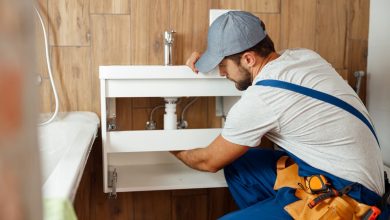
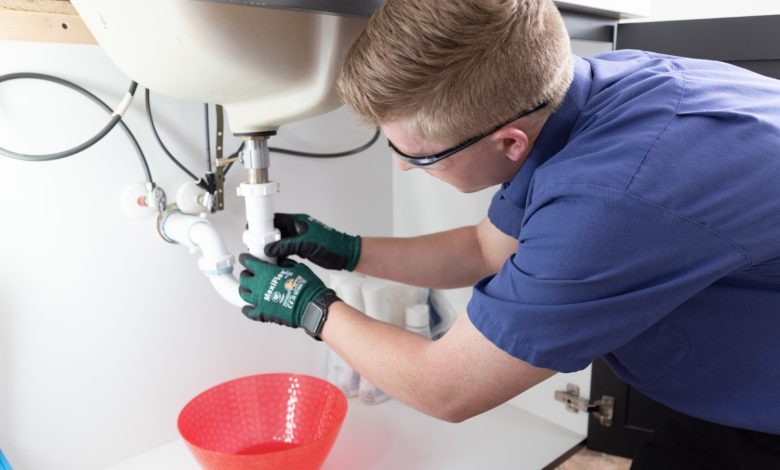
Plumbing is one of the most critical systems in any property, whether residential or commercial. It provides safe drinking water, ensures proper sanitation, and supports heating and cooling systems. Yet, it is often overlooked until a problem arises. Understanding the basics of plumbing not only helps in preventing costly repairs but also ensures your home remains safe, hygienic, and efficient. In this detailed guide, we will cover every aspect of plumbing, from common systems to maintenance, repairs, and modern innovations.
What is Plumbing?
Plumbing refers to the system of pipes, fixtures, tanks, and other apparatus that convey water for drinking, washing, heating, and sanitation. A properly designed plumbing system ensures:
-
Safe delivery of clean water
-
Effective disposal of wastewater
-
Regulation of pressure and flow
-
Support for appliances such as washing machines, dishwashers, and boilers
Without efficient plumbing, modern living would be impossible. Issues such as leaks, clogs, or faulty installations can disrupt daily life and even pose health risks.
Key Components of a Plumbing System
A plumbing system is more than just pipes. It consists of interconnected parts, each serving a unique purpose.
1. Water Supply System
This system brings clean water into the property. It includes underground pipes, valves, meters, and indoor distribution lines. Water pressure plays a key role here, ensuring water flows efficiently to taps, showers, and appliances.
2. Drainage System
Also known as the drain-waste-vent system (DWV), this removes wastewater and prevents sewer gases from entering the property. Proper installation and venting are crucial to avoid blockages and foul odours.
3. Fixtures and Appliances
Taps, sinks, toilets, showers, washing machines, and water heaters all form part of the plumbing system. Each requires correct installation and maintenance to function reliably.
4. Hot Water System
This includes boilers, immersion heaters, or tankless water heaters that provide hot water for domestic and commercial use.
5. Pipes and Fittings
Pipes may be made of copper, PVC, or modern PEX materials, depending on the application. Fittings like elbows, tees, and couplings connect the system securely.
Common Plumbing Issues and Solutions
Every property eventually encounters plumbing issues. Knowing the cause and solution helps in addressing them quickly.
Leaky Taps and Pipes
Dripping taps waste water and increase bills. Leaks in pipes may result from worn seals, corrosion, or high pressure. Replacing washers or resealing joints often solves the problem, but major leaks may require pipe replacement.
Clogged Drains
Blocked sinks, toilets, or showers usually occur due to grease, hair, or foreign objects. Plungers, drain snakes, or environmentally friendly cleaners can help, while persistent clogs may need professional inspection.
Low Water Pressure
Often caused by pipe leaks, sediment build-up in fixtures, or municipal supply issues. Cleaning aerators or checking for leaks usually improves flow.
Running Toilets
A faulty flapper valve or fill mechanism can keep water running, leading to high water bills. Replacing these parts is a simple fix.
Burst Pipes
These occur during freezing weather or due to ageing pipes. Insulating pipes and maintaining steady water pressure reduces risks.
Plumbing Maintenance Tips
Preventive care can extend the lifespan of your plumbing system and save money on repairs.
-
Inspect regularly: Check taps, pipes, and under sinks for leaks.
-
Avoid blockages: Dispose of grease, wipes, and sanitary products in bins, not drains.
-
Service boilers: Annual servicing ensures efficiency and safety.
-
Insulate pipes: Especially in colder climates, to prevent freezing.
-
Test water pressure: Maintain it within safe limits to avoid pipe damage.
-
Flush systems: Occasionally flush hot water tanks to remove sediment build-up.
Modern Plumbing Innovations
Advancements in technology have transformed plumbing into a smarter, more sustainable system.
-
Smart Leak Detectors: These sensors send alerts when a leak is detected, preventing water damage.
-
Water-Efficient Fixtures: Low-flow taps and dual-flush toilets reduce water consumption without compromising performance.
-
Tankless Water Heaters: Provide hot water on demand, saving space and energy.
-
Greywater Recycling: Systems that reuse wastewater from sinks and showers for irrigation.
-
PEX Piping: Flexible, durable, and easier to install than traditional copper pipes.
The Importance of Professional Plumbing Services
While basic repairs can be handled by homeowners, many tasks require skilled professionals. Qualified plumbers ensure installations meet regulations, use the correct materials, and carry out work safely. Attempting complex jobs without expertise may lead to costly mistakes.
Plumbing in Renovations and New Builds
When constructing a new property or carrying out major renovations, plumbing design must be integrated early. This includes:
-
Planning for future expansion (e.g., additional bathrooms)
-
Ensuring pipe routes minimise disruption
-
Choosing energy-efficient heating and hot water systems
-
Complying with building codes and water regulations
Environmental Impact of Plumbing
Sustainable plumbing plays a vital role in reducing water wastage and lowering carbon footprints. Choosing eco-friendly fixtures, maintaining efficient heating systems, and reducing leaks contribute to environmental conservation.
FAQs about Plumbing
What is the average lifespan of household plumbing?
Copper pipes last around 50 years, while PVC and PEX can last 25–40 years. Regular maintenance extends this lifespan.
How can I tell if I have a hidden water leak?
Signs include unusually high water bills, damp patches on walls, or a constantly running water meter even when taps are off.
Is it safe to use chemical drain cleaners?
Frequent use of chemical cleaners can damage pipes and harm the environment. Mechanical tools or natural solutions like baking soda and vinegar are safer.
Why does my tap make a knocking noise?
This is often caused by water hammer, a pressure surge when valves close suddenly. Installing a water hammer arrestor can fix it.
Can plumbing be eco-friendly?
Yes, with water-saving fixtures, leak detection systems, and greywater recycling, plumbing can significantly reduce environmental impact.
Should I replace old galvanised pipes?
Yes, galvanised steel pipes corrode over time and reduce water quality. Modern copper or PEX piping is safer and more durable.