
Damp is a common issue that can creep into any property, often without obvious warning signs.
From musty smells to mould patches and peeling wallpaper, the symptoms might seem manageable at first. However, hidden moisture can lead to long-term damage if left untreated.
When dealing with damp, many homeowners initially attempt their own inspections. It’s good to get a sense of what you’re dealing with, including pinpointing problem areas and fixing any obvious issues.
But how do you know when it’s time to stop the DIY checks and call in the professionals?
Here, we’ll explore the differences between DIY damp checks and professional damp surveys – and help you decide when expert intervention is truly necessary.
What Are DIY Damp Checks?
DIY checks are simply basic inspections that you can carry out yourself as a homeowner. These typically involve:
- Looking for visible signs of damp (such as mould, staining or peeling paint)
- Smelling for musty or earthy odours
- Checking for condensation on windows or cold walls
- Feeling walls for damp patches or cold spots
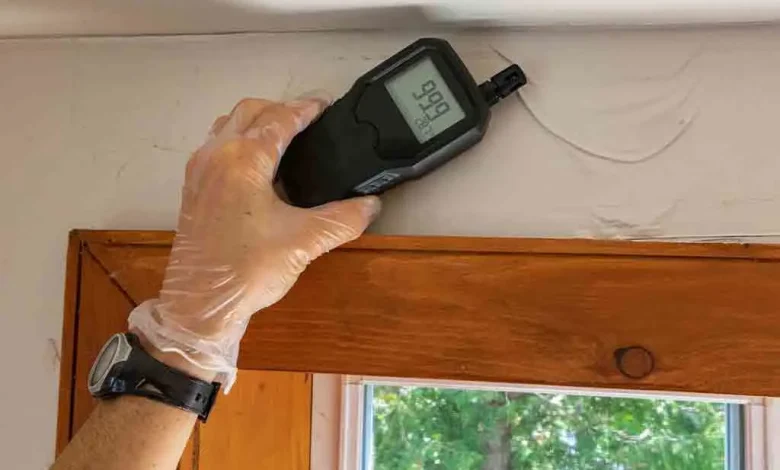
- Using an off-the-shelf moisture meter.
These checks can be a good starting point and may help you identify surface-level signs that something isn’t right. However, they have limitations – especially when the source of damp isn’t immediately visible or obvious.
What Is a Professional Damp Survey?
A professional damp survey is carried out by a qualified surveyor with experience in diagnosing moisture-related issues in properties.
This type of inspection goes far beyond surface-level symptoms and typically involves:
- Advanced moisture detection tools
- Assessment of wall structure and materials
- Identification of different types of damp (such as rising damp, penetrating damp and condensation)
- Investigation of building ventilation, drainage and insulation
- A detailed written report with findings and recommendations.
Professional surveyors understand the behaviour of moisture in buildings and are trained to detect problems that may not be obvious to the layperson.
DIY Checks: What They Can and Can’t Do
DIY damp checks can certainly help you monitor your property and catch the early signs of a problem. They’re especially useful for spotting recurring condensation or noticing changes in the condition of walls. They can also be useful for ruling out very minor issues related to poor ventilation or lifestyle factors.
However, DIY checks often fall short when:
- The damp originates from hidden sources, such as within cavity walls or under floors
- The problem is related to poor construction or failed damp-proofing
- You need a professional diagnosis or report (for example, for mortgage or insurance purposes).
While DIY checks can help, only a professional damp survey can offer the thorough analysis needed to prevent ongoing problems. Without this level of insight, you may end up treating just the symptoms instead of the root cause.
When to Call in the Experts
Here are some situations where it’s a good idea to book a professional damp survey:
- Persistent or worsening symptoms
If you’ve tried to resolve damp issues yourself but the problem keeps coming back, it’s a sign that there may be an underlying cause you’re missing.
- Unexplained mould or odours
When mould keeps reappearing in areas that seem dry, or you can’t pinpoint the source of a musty smell, a deeper investigation is needed.
- Buying or selling a property
Damp can impact the value of a property and deter buyers. A professional survey helps you know what you’re dealing with and can provide transparency during the sale or purchase process.
- Health concerns
Damp and mould can aggravate respiratory issues, allergies and asthma. If your home environment is affecting your health, a damp survey should be carried out as a matter of urgency.
- Visible structural damage
Cracked plaster, warped skirting boards and crumbly walls could all point to deeper issues.
The Cost Of Waiting
One of the biggest mistakes property owners make is delaying a proper survey until serious damage has occurred. Unfortunately, moisture-related issues rarely resolve on their own. The longer they’re left untreated, the more expensive the repairs can become.
Investing in a damp survey early can actually save you money in the long run, by preventing extensive structural damage and ensuring that any repairs are properly targeted and effective.


