
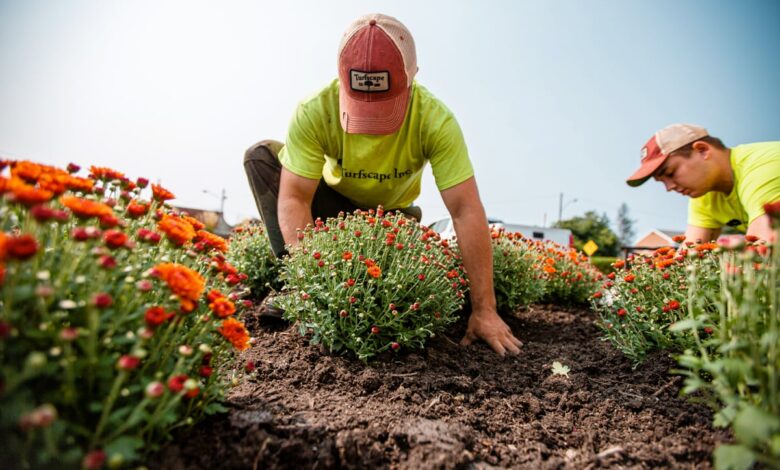
Managing a large garden, smallholding, orchard, or paddock is rarely a seasonal commitment. While many people associate land maintenance with spring and summer, the reality is that every season brings its own responsibilities. Staying on top of these tasks can help keep land healthy, machinery productive, and workloads manageable throughout the year.
Rather than reacting to problems as they arise, many experienced landowners follow a maintenance calendar that spreads work across the seasons. This approach not only improves efficiency but can also help prevent costly repairs and avoid periods where maintenance becomes overwhelming.
Understanding what should be done at different times of the year is one of the most effective ways to keep a property looking its best.
Spring: Preparing for Growth
Spring is often the busiest season for many property owners. As temperatures begin to rise, grass growth accelerates, plants emerge from winter dormancy, and outdoor projects start to take shape.
One of the first priorities is inspecting the property after winter. Fences, gates, paths, drainage systems, and machinery should all be checked for damage caused by storms, frost, or prolonged wet weather.
Lawns often benefit from early-season attention. Aeration, overseeding, and fertilisation can help encourage healthy growth before the peak growing season arrives. Areas that have suffered from waterlogging or heavy foot traffic may require additional treatment.
Spring is also an ideal time to service machinery before workloads increase. Checking blades, belts, tyres, filters, and fluid levels helps ensure equipment is ready for the months ahead. Addressing minor issues early can prevent more significant problems during periods of heavy use.
Garden beds, orchards, and vegetable plots frequently require preparation as well. Soil improvement, mulching, and planting activities often dominate the spring schedule.
By completing these jobs early, property owners can establish a strong foundation for the growing season.
Summer: Managing Peak Activity
Summer brings rapid growth and often demands the highest level of ongoing maintenance. Grass cutting becomes a regular task, particularly on larger properties where extensive lawns and paddocks require attention.
The frequency of mowing depends on weather conditions, grass species, and desired appearance, but many owners find themselves operating machinery more frequently than at any other time of year.
Irrigation can become increasingly important during dry spells. Monitoring soil moisture and ensuring young plants receive adequate water helps maintain healthy growth during periods of high temperatures.
Summer is also a good time to tackle larger improvement projects. Fence repairs, landscaping work, pathway construction, and planting schemes are often easier to complete in favourable weather conditions.
At this stage of the year, many landowners begin to appreciate the value of reliable equipment. Suppliers such as Ron Smith often emphasise the importance of matching machinery to the workload, particularly when maintenance demands are at their highest.
Weed control should not be neglected during summer. Left unmanaged, weeds can quickly compete with desirable plants and create additional maintenance challenges later in the year.
Regular inspections of trees, shrubs, and larger plants can also help identify signs of disease or pest activity before problems become more serious.
Autumn: Preparing for Winter
As growth begins to slow, autumn provides an opportunity to prepare both the land and equipment for the colder months ahead.
Leaf collection often becomes a major task, particularly on properties with mature trees. While fallen leaves can be beneficial in some areas, excessive accumulation on lawns can restrict airflow and encourage disease.
Autumn is also an excellent time for lawn renovation work. Cooler temperatures and increased moisture create favourable conditions for overseeding and soil improvement.
Many landowners use this period to carry out hedge trimming, tree maintenance, and general tidying before winter arrives. Completing these jobs in autumn often reduces workloads during spring.
Machinery should receive attention as well. Cleaning equipment thoroughly after the busiest part of the year helps prevent corrosion and prolongs service life. Any repairs identified during summer can be addressed before the next season begins.
Storage areas should be organised and inspected to ensure tools and machinery remain protected during winter weather.
Winter: Planning and Prevention
Although winter is often perceived as a quieter season, it still presents valuable opportunities for maintenance and preparation.
This is an ideal time to service machinery more thoroughly. Tasks such as blade sharpening, oil changes, filter replacements, and general inspections can be completed without interrupting essential work.
Property owners can also use winter to review the past year’s maintenance activities. Identifying what worked well and what could be improved helps create a more effective plan for the coming season.
Storm damage inspections may be necessary following periods of severe weather. Fallen branches, damaged fencing, and drainage issues should be addressed promptly to prevent larger problems from developing.
Winter is also a useful time for researching equipment upgrades, planning landscaping projects, and preparing budgets for future improvements.
A successful maintenance programme is not about working harder; it is about working consistently throughout the year. By spreading tasks across the seasons and addressing issues before they become significant problems, landowners can maintain healthier properties while reducing stress and unexpected costs.
A year-round approach ensures that every season contributes to the overall condition of the land. With careful planning and regular attention, large gardens and smallholdings can remain productive, attractive, and easier to manage no matter what the calendar says.

